by David Green | Oct 29, 2026
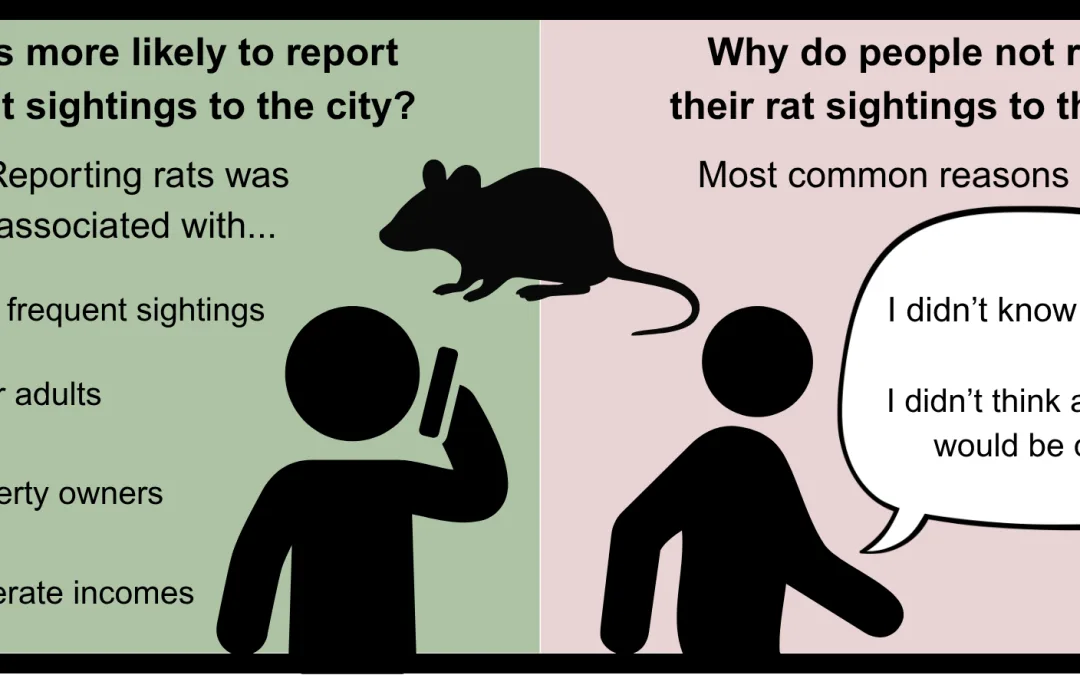
Introduction Urban rats (Rattus spp.) pose diverse risks to public health and infrastructure. Most notably, rats carry zoonotic pathogens that cause diseases in humans, including leptospirosis, hantavirus, and plague (Himsworth et al., 2013, Murray et al., 2024a)....
by David Green | May 29, 2026
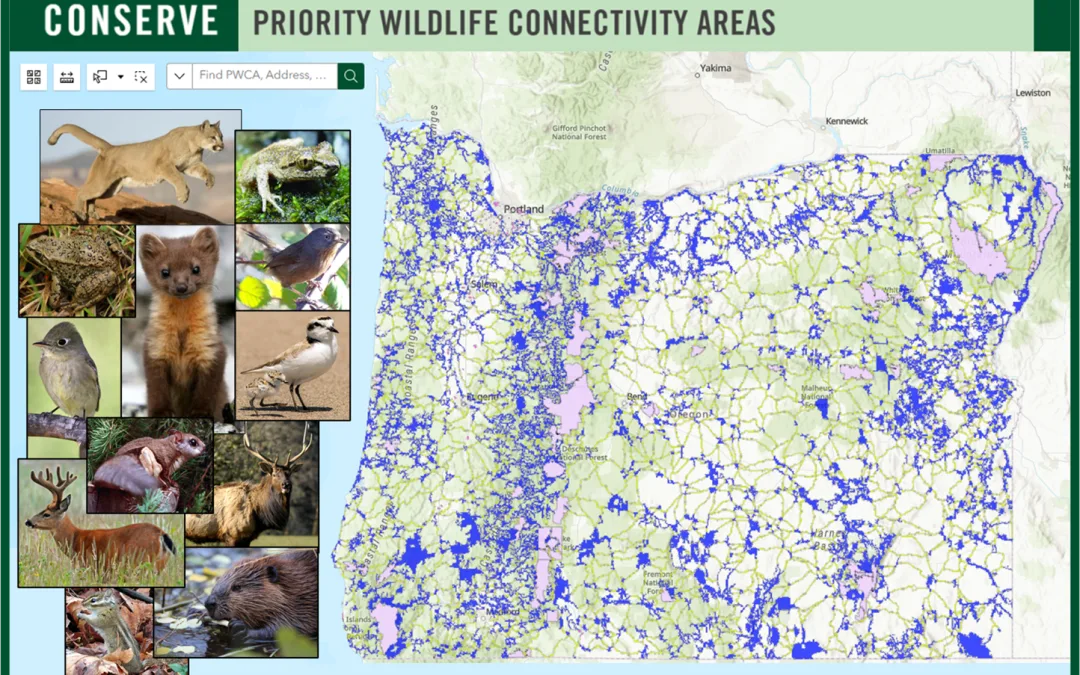
Introduction Preserving and reestablishing habitat connectivity, the ability of organisms and their genetic material to move among their populations and potential habitats (Butler et al., 2021), ranks as one of the key immediate challenges for maintaining wildlife...
by David Green | Dec 11, 2025
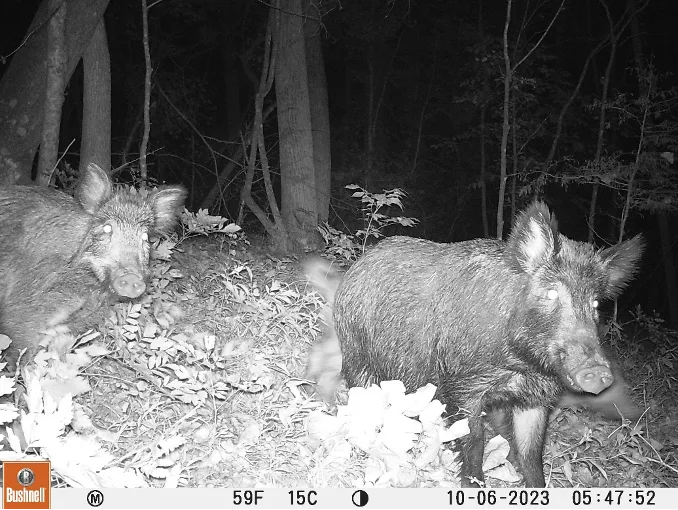
Introduction Invasive wild pigs (Sus scrofa) pose considerable ecological and economic challenges across their introduced range. In North America, wild pigs have been introduced or spread across 28 states (Southeastern Cooperative Wildlife Disease Study, 2024), where...
by David Green | Jun 11, 2025
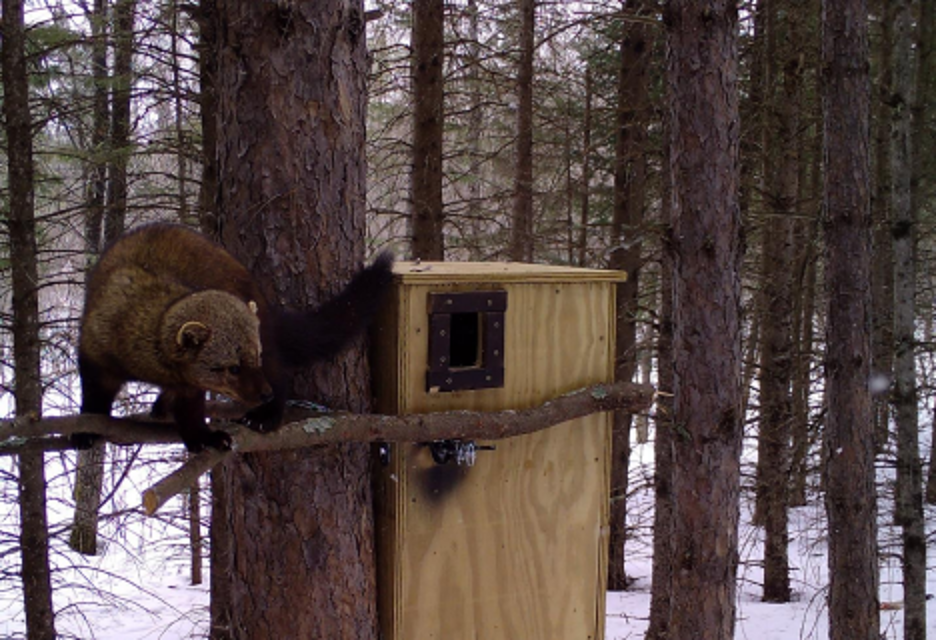
Introduction Tree cavities are keystone habitat resources that are used by many birds, mammals, insects, and other animals (Remm and Lõhmus 2011, Lindenmayer et al. 2012a). Cavity-dependent species rely on cavities for shelter from predators and weather, and rearing...
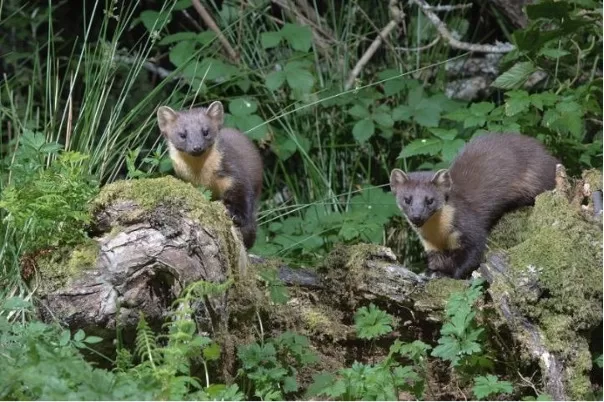
by David Green | Nov 5, 2024
Introduction Conservation translocations and reintroductions are inherently complex, high-risk activities, and reviews of their outcomes have typically reported low rates of success (Wolf et al., 1996, Fischer & Lindenmayer, 2000, Seddon, 2010, Sainsbury &...

