

Hi — I’m Dr. David Green. 

A few years ago, I wrapped up research on wildfires in the Pacific Northwest. The results were time-sensitive.
Yet, peer review and publication took nearly two years. Big land management decisions were made without it, and the research was seen as outdated by the time it was published.
Then I heard similar stories from researchers in other fields, from public health to agriculture.
So I brought researchers together to design new ways to peer review and publish that could work quickly and strengthen our standards of peer review.
Welcome to The Stacks and our vision for an easier and more ethical way to publish.
Stacks Journal’s Editorial Board
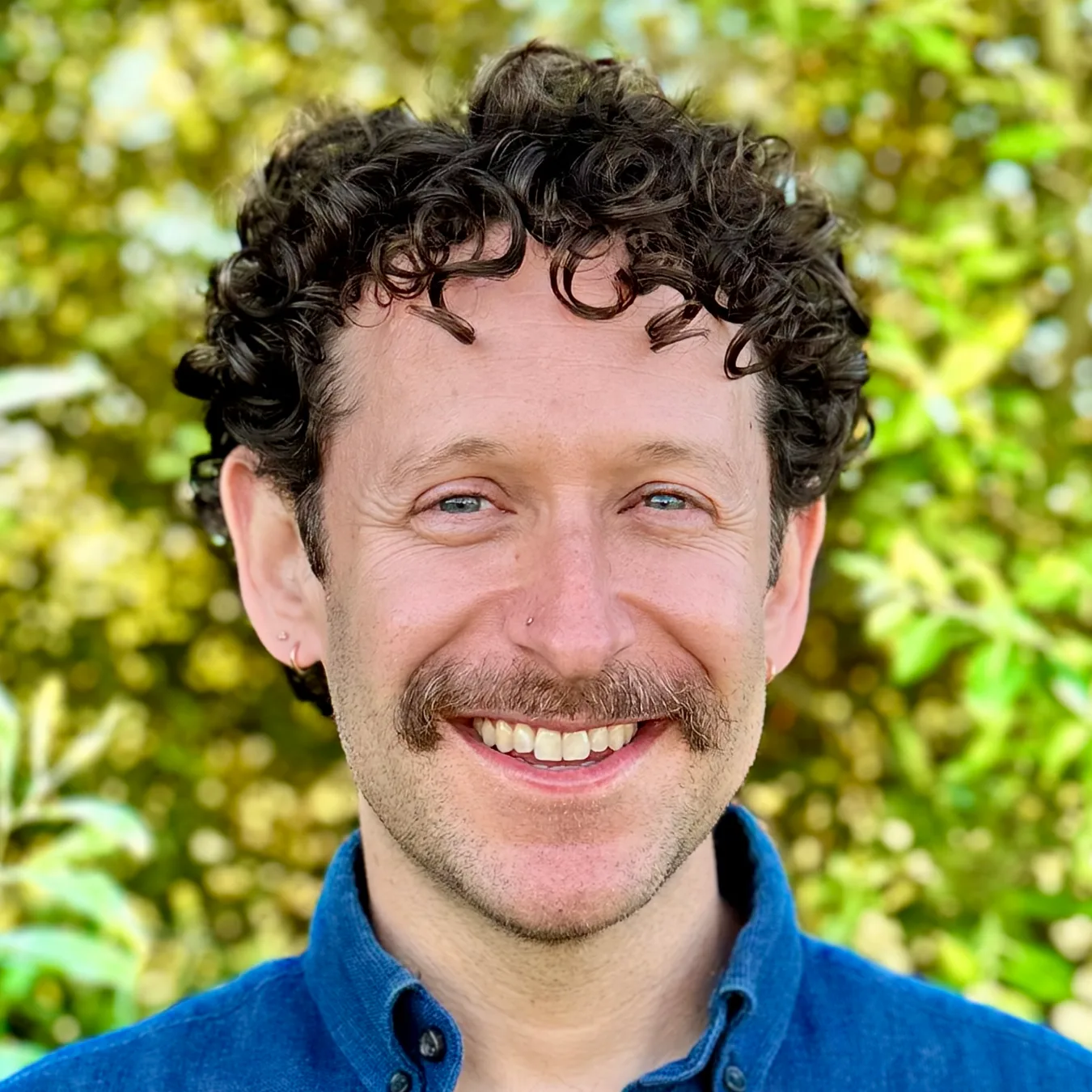
David Green, PhD
Editor-in-Chief
Affiliate Faculty at Portland State University. David holds dual doctoral degrees in Integrative Biology and Ecology, Evolutionary Biology, and Behavior. His research spans conservation biology, wildlife management, and biodiversity, with a focus on how ecological systems adapt to environmental change. David is passionate about advancing open science and trustworthy scientific peer review and publishing.
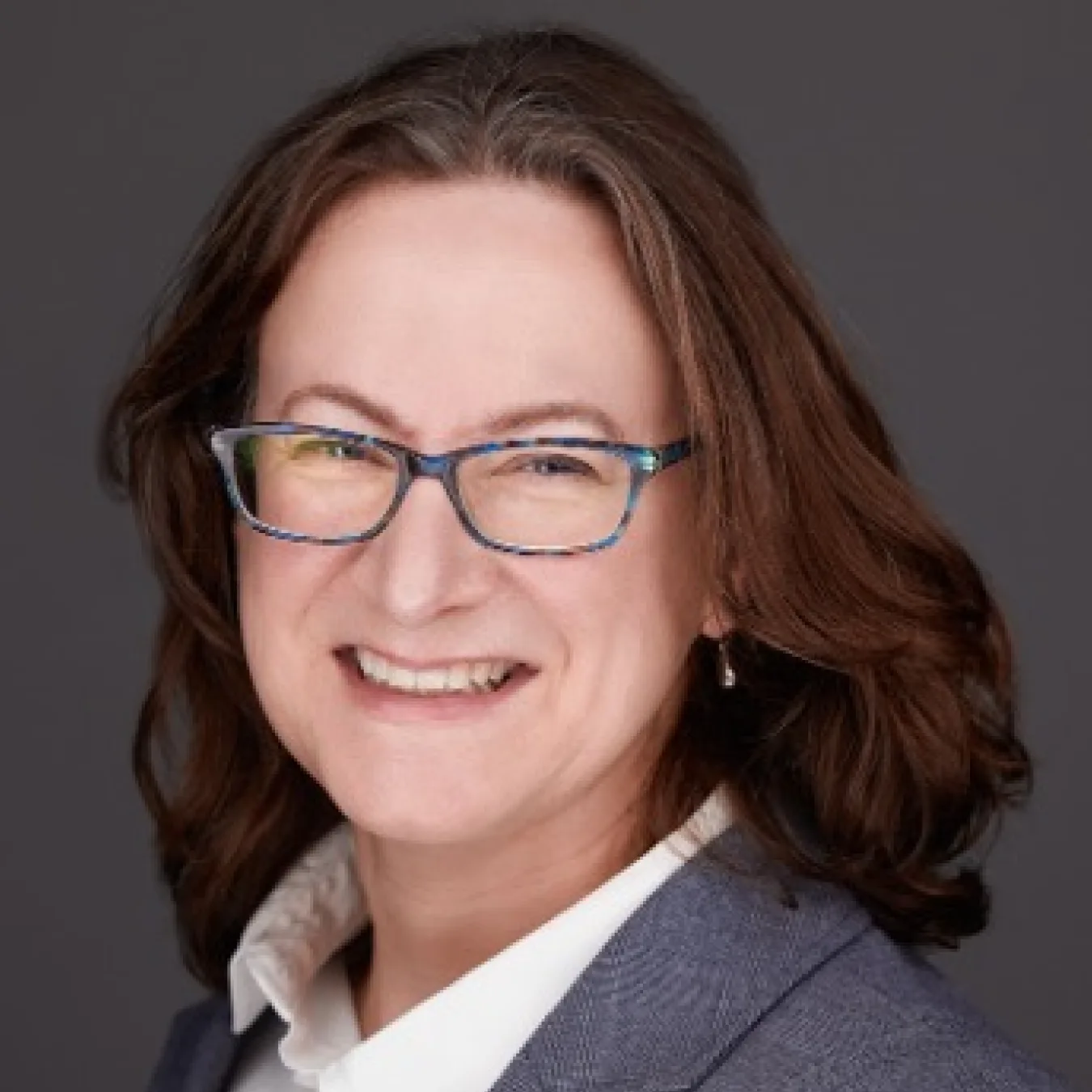
Elisabeth Bik, PhD
Editor
Dutch-American microbiologist who has worked for 15 years at Stanford University and 2 years in industry. Since 2019, she is a science integrity consultant at Harbers Bik LLC who scans the biomedical literature for images or other data of concern. She has found over 9,000 problematic scientific papers. Her work has resulted in over 1,500 retractions and another 1,100 corrections. For her work on exposing threats to research integrity, she received the 2021 John Maddox Prize and the 2024 Einstein Foundation Award.
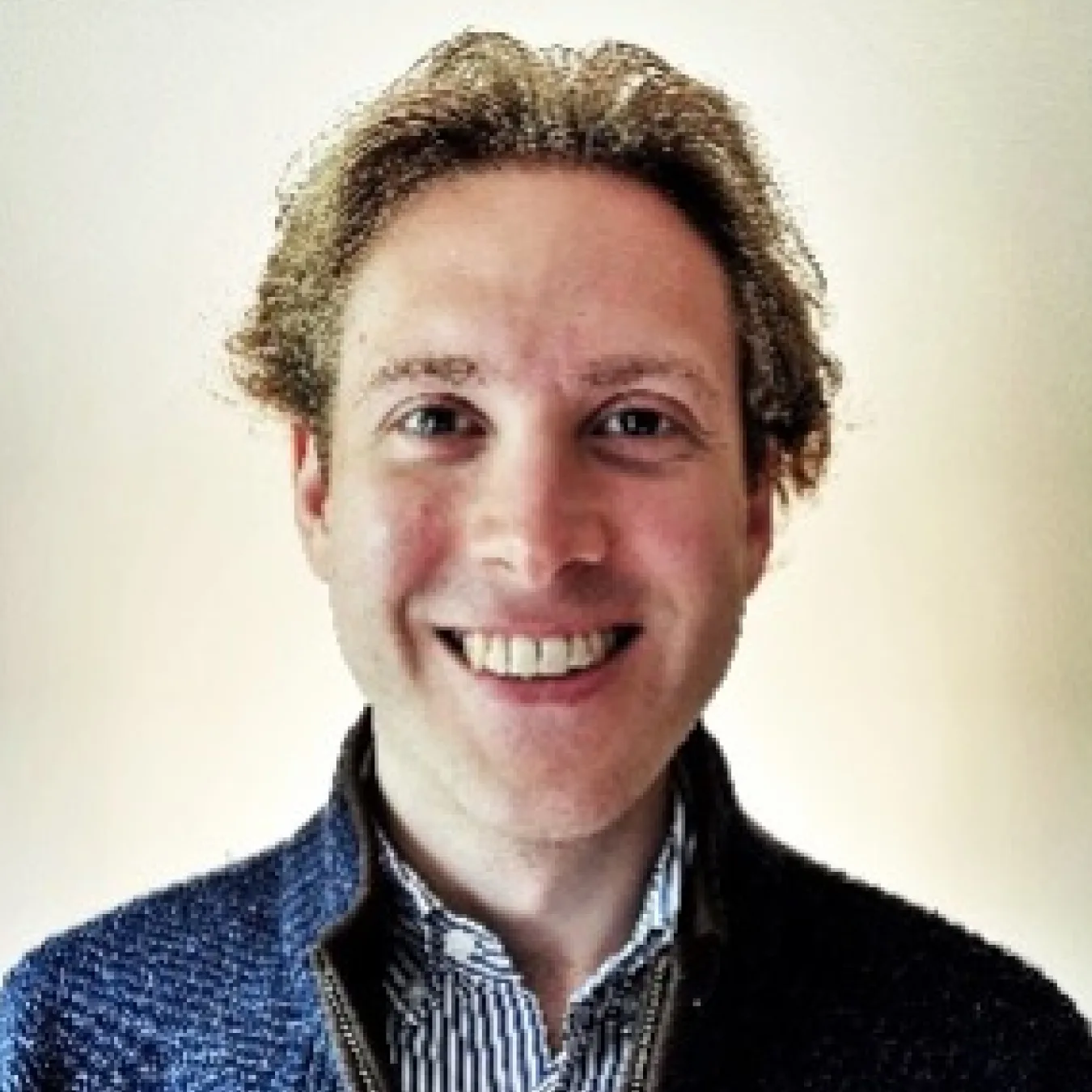
Nash Rochman, PhD
Editor
Assistant Professor in the CUNY SPH Department of Epidemiology and Biostatistics; Institute for Implementation Science in Population Health Investigator; and NIH Special Volunteer. He holds a doctoral degree in bioengineering. His research employs a combination of mathematical modelling and data science techniques to uncover and explain deeply conserved mechanisms of host adaptation for pathogens ranging from bacteriophages to cancer cells to spam mail.
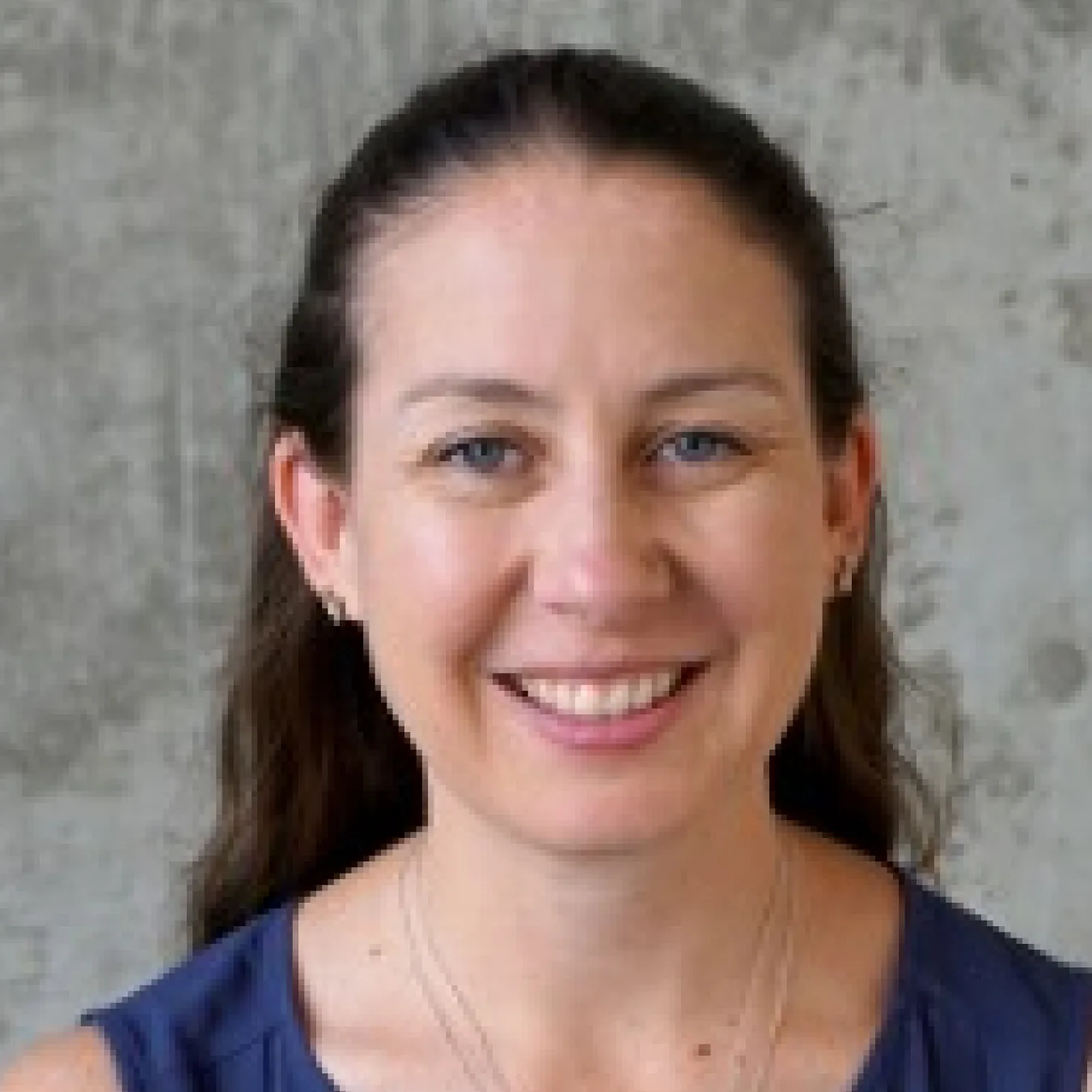
Leandra Merz, PhD
Editor
Assistant Professor in the Geography Department at San Diego State University. She has a BS in Wildlife Ecology and Conservation, a MDP in sustainable development, and a PhD in Geography all from the University of Florida. She is an interdisciplinary conservation scientist with a focus on community conservation, human-wildlife coexistence, and natural resource governance, especially in Sub-Saharan Africa. Her research incorporates a mixture of qualitative and quantitative methods to promote sustainable coexistence of humans and biodiversity in shared landscapes.
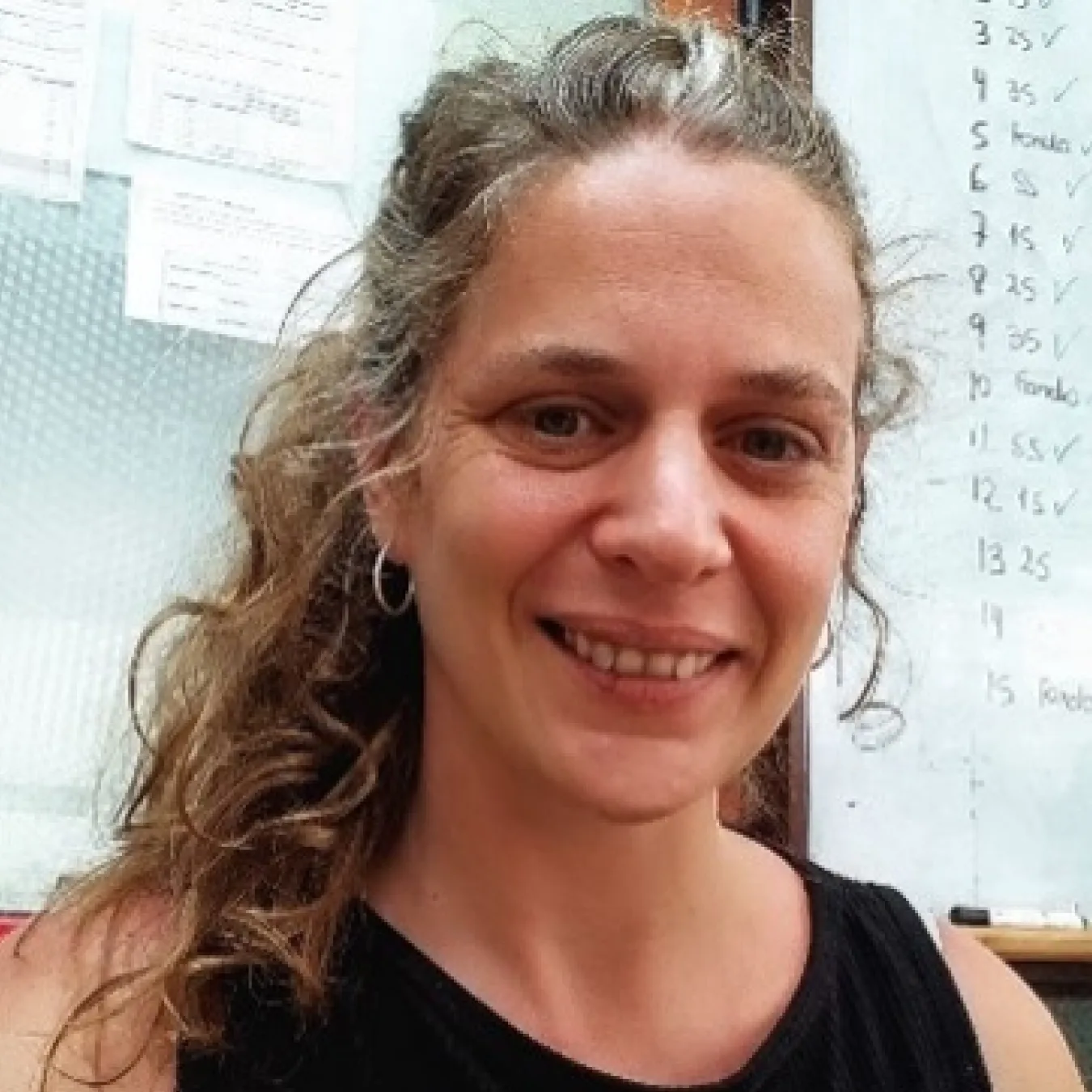
Verónica Lozano, PhD
Editor
Researcher at the National Scientific and Technical Research Council (CONICET) and a Professor of Biostatistics at the Faculty of Natural Sciences of the Universidad Nacional de Salta, Argentina. Her research covers aquatic ecotoxicology and water quality, specifically comparing synthetic and natural pesticides. Dr. Lozano is deeply interested in finding mechanisms to bridge the gaps between the Global North and the Global South and is also actively involved in issues related to gender and diversity.
Let’s Collaborate!


